Capture map
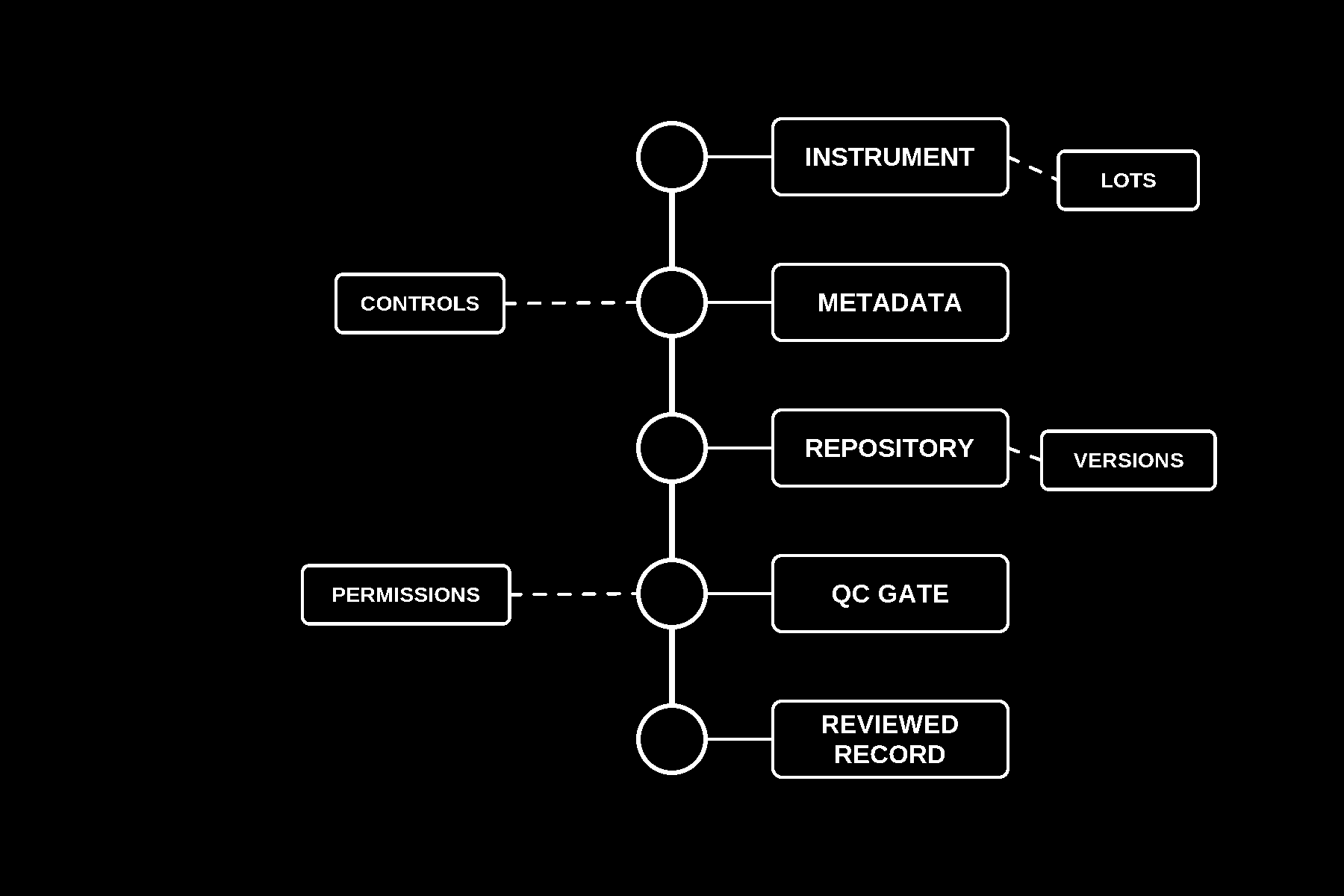
What context must be recorded at the source: controls, lots, timing, assay conditions, failed runs, and interpretation rationale.
Wet lab data substrate
A life sciences data substrate is the record layer that lets future scientists, analysts, models, agents, reviewers, and executives understand what happened, why it happened, what changed, and whether the result can be trusted.
SignalForge helps teams design the capture, metadata, repository, versioning, QC, permission, and review structure needed before private RAG, agents, modeling, dashboards, or automated decision support can be trusted.
The substrate failure pattern
That is not an AI problem yet. It is a memory problem. Until the company record is usable, every downstream model or agent inherits the missing context.
What SignalForge helps design
What context must be recorded at the source: controls, lots, timing, assay conditions, failed runs, and interpretation rationale.
The identifiers, fields, source links, and review states that connect experiments, files, compute, and decisions.
How instrument output, object storage, database records, versioning, permissions, and processing state should fit together.
Where evidence becomes reusable, caveated, excluded, escalated, or decision ready.
Substrate first conversation
The most useful first message names the evidence sources you already have, instruments, ELN, LIMS, object storage, spreadsheets, vendor reports, and the decision they are eventually supposed to support. SignalForge will identify which parts of that substrate are reusable today, which need repair, and which downstream AI ideas should wait.